Looking to learn how to play disc golf?
Disc golf is a fast-growing outdoor sport in the UK, played much like traditional golf — but instead of hitting a ball into a hole, you throw a flying disc into a metal basket.
The goal is simple:
Complete each hole in the fewest throws possible.
Disc golf is affordable, beginner-friendly, and suitable for all ages and abilities.
What Do You Need To Play Disc Golf?
One of the best things about disc golf is how easy it is to start.
Most beginners only need:
- 1 Putter
- 1 Midrange Disc
- 1 Fairway Driver
Comfortable clothes and trainers are perfect — no special equipment required.
If you’re new to the sport, start with lower speed discs (6–8 speed) as they are easier to control.
How A Disc Golf Hole Works
Every disc golf hole includes:
- A tee area (where you take your first throw)
- A fairway (the playing space)
- A basket target
You begin at the tee and throw towards the basket.
Wherever your disc lands becomes your next throwing position. Each throw counts as one stroke.
When your disc comes to rest inside the basket, the hole is complete.
Disc Golf Scoring Explained
Disc golf scoring works just like traditional golf.
Each hole has a par — the expected number of throws needed to complete it.
For example:
- Finish a Par 3 in 3 throws → You scored par
- Finish in 2 throws → 1 under par
- Finish in 4 throws → 1 over par
The lowest total score at the end of the round wins.
Basic Disc Golf Rules
The rules of disc golf are simple:
- You must throw from behind where your disc landed (your lie)
- You cannot move your disc to improve position
- If your disc lands out of bounds, a penalty throw may apply
- The player furthest from the basket throws next
Official rules are governed by the Professional Disc Golf Association (PDGA), but beginners only need the basics to get started.
Disc Types Explained
There are three main types of disc golf discs:
Putter
Used for short approaches and putting into the basket.
Midrange Disc
Ideal for controlled throws and learning good technique.
Driver
Designed for longer distance throws.
Beginners should avoid high-speed distance drivers, as they require more power and can fade hard at the end of flight.
Flight Numbers Explained
Most discs display four numbers, for example:
7 | 5 | -1 | 2
These are called flight numbers and describe how a disc flies.
- Speed – How fast the disc needs to be thrown
- Glide – How long the disc stays in the air
- Turn – How much the disc moves right during early flight (for right-hand backhand throws)
- Fade – How much the disc finishes left at the end
Beginner-friendly flight numbers typically look like:
- Speed: 6–8
- Glide: 4–6
- Turn: -1 to -2
- Fade: 1–2
These discs tend to fly straighter and are more forgiving for new players.
Disc Golf Etiquette & Safety
Disc golf is built on respect for other players and the course.
- Never throw if someone is ahead of you
- Let faster groups play through
- Stay quiet while others are throwing
- Take all litter home
Good etiquette keeps the game safe and enjoyable for everyone.
Try Disc Golf in Nottinghamshire
If you’re looking to try disc golf in Nottinghamshire, join us at Notts Disc Golf.
We welcome:
✔ Beginners
✔ Families
✔ Casual players
✔ Competitive players
All abilities. All ages. Welcome.
RECOMMENDED FOR BEGINNERS FROM OUR SPONSOR

UK-based online and physical retailer specializing in disc golf equipment, such as discs, bags, and starter sets
SELECTION FOR BEGINNERS
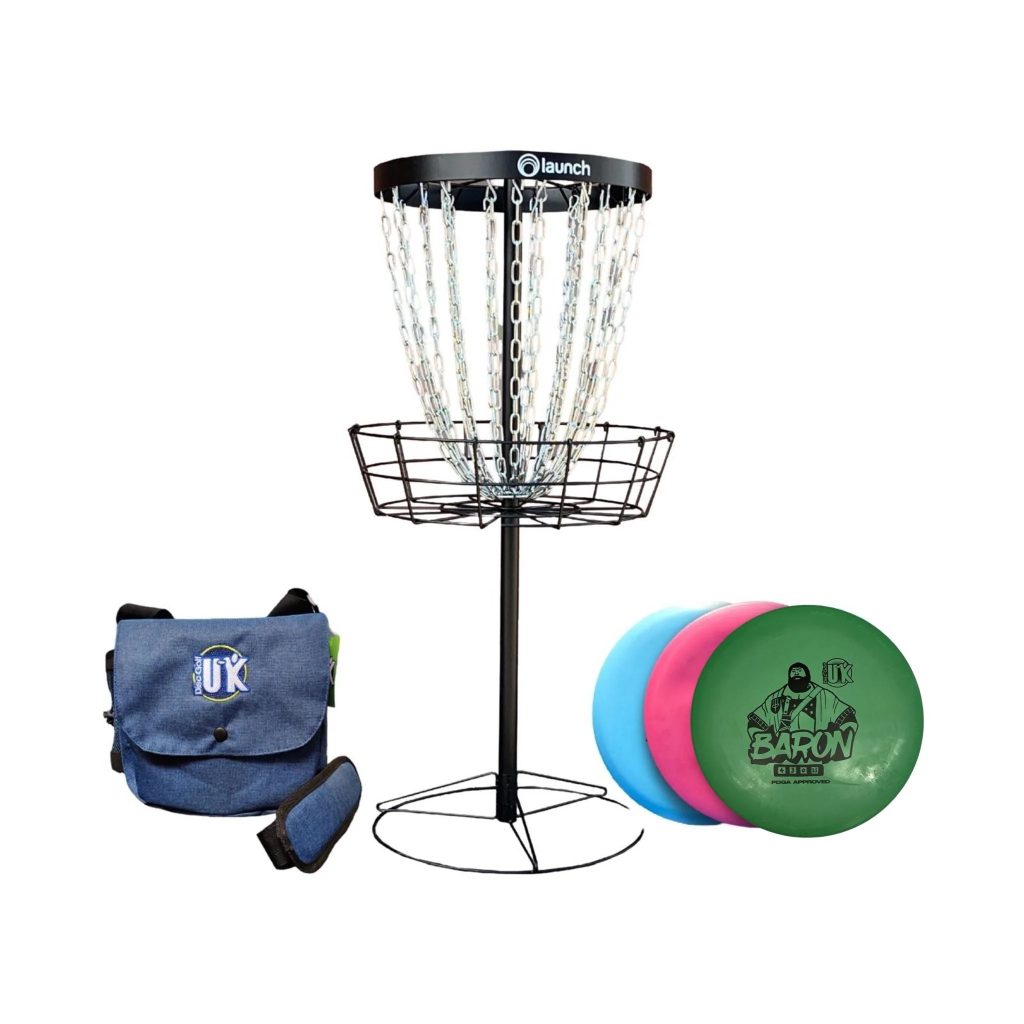
The Keep Satchel Starter Set consists of 1 Basket, 1 Satchel bag, and 3 Putters.
£139.99 Incl. VAT
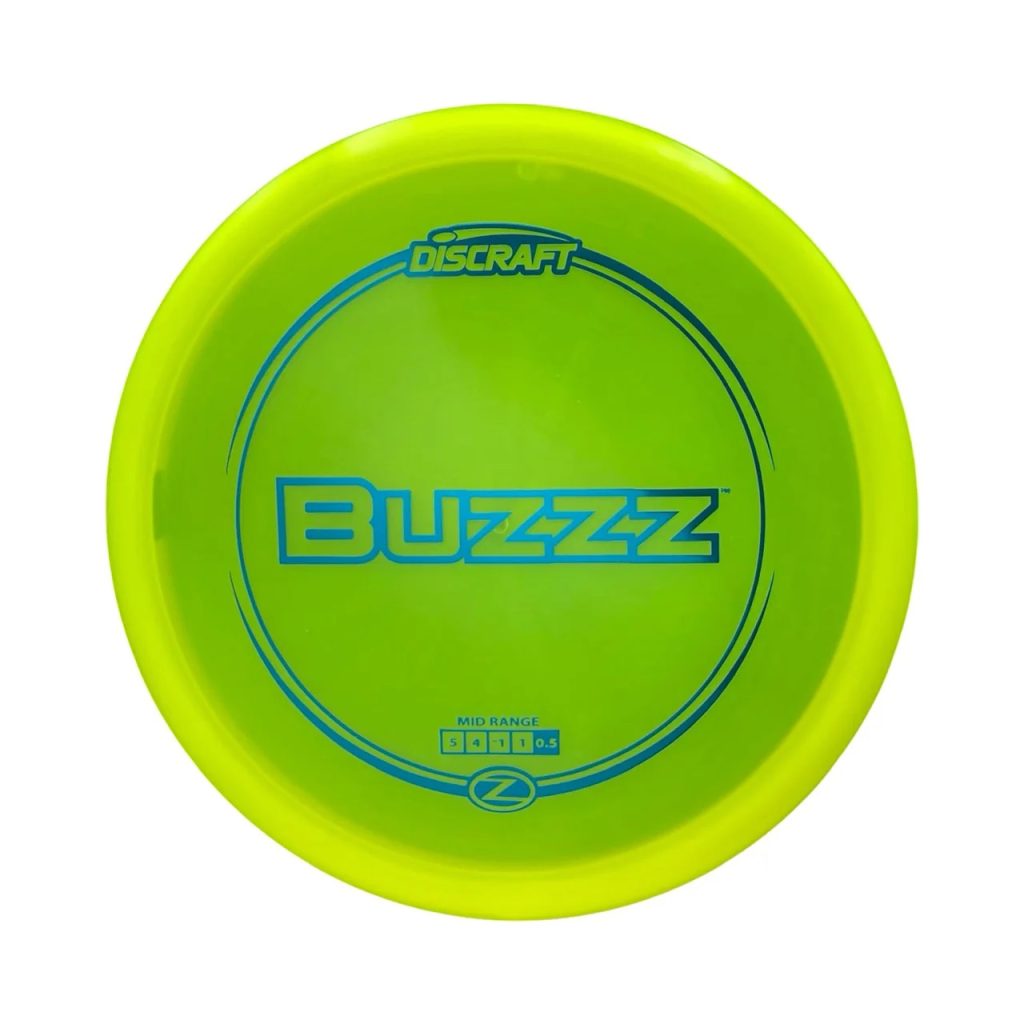
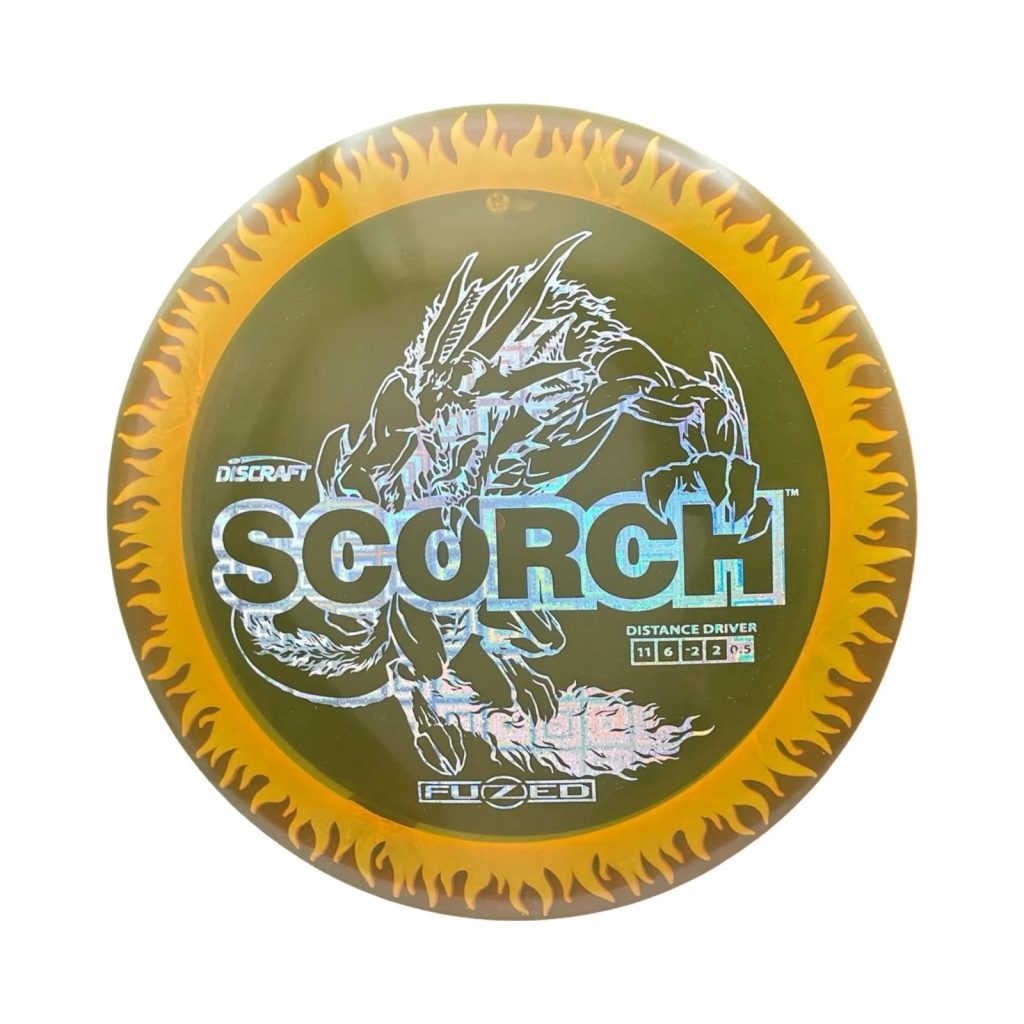
Discraft’s special FuZed Line Scorch boasts a vibrant flame-burst effect on the rim.
£21.99 Incl. VAT
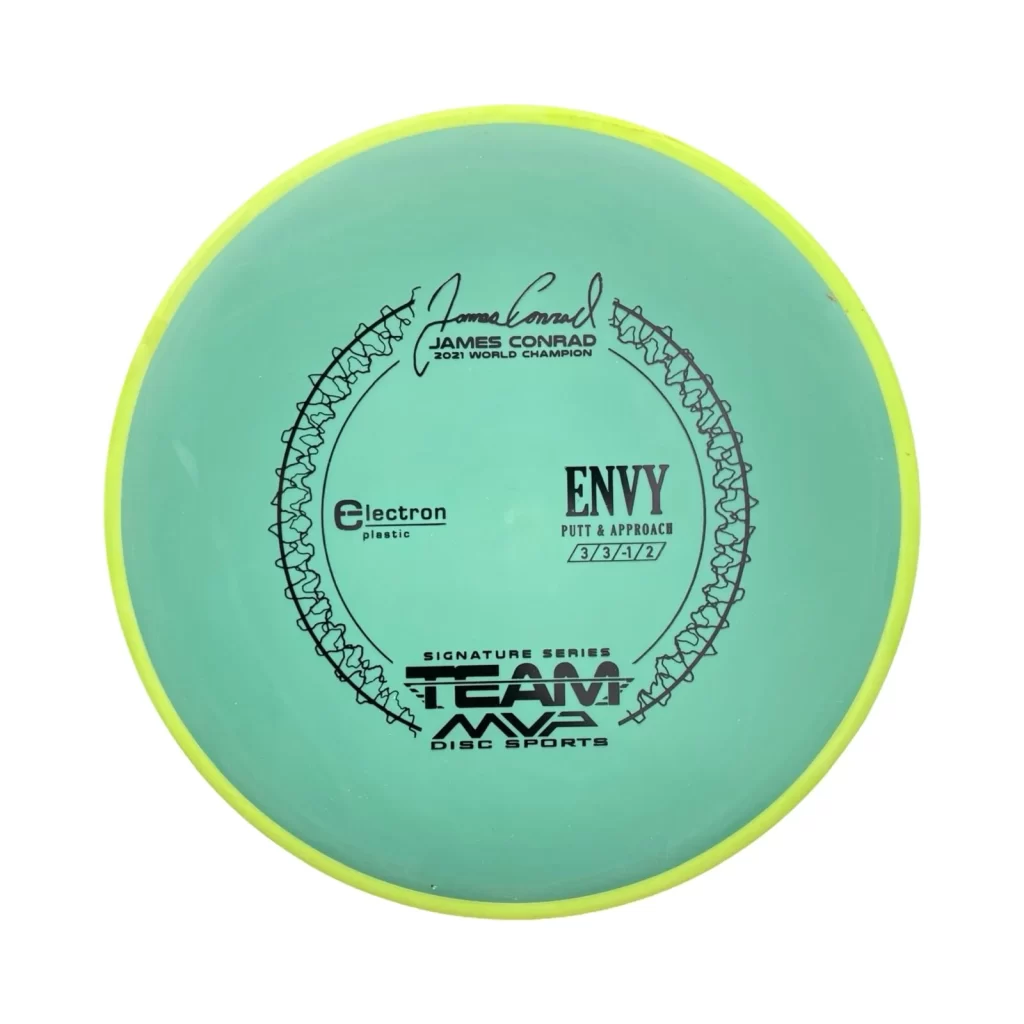
Envy Electron James Conrad Signature
The James Conrad Signature Series Envy is a putt and approach disc.
£12.99 Incl. VAT

International Governing Bodies / National Associations
Professional Disc Golf Association (PDGA) – https://pdga.com
- Role: The PDGA is the primary global governing body for individual players and competitive disc golf events worldwide. It is a non-profit membership organization that works in cooperation with the WFDF.
- Overview: The PDGA is responsible for a comprehensive range of services, including:
- Setting Rules: Establishing and maintaining the official rules of disc golf and the competition manual.
- Sanctioning Events: Authorizing thousands of tournaments annually across various skill levels (professional and amateur).
- Player Ratings: Managing a worldwide player rating system.
- Course Development: Providing guidance and resources for new course installations.
- Membership Services: Offering memberships that help grow the sport globally through various programs and grants.
PDGA Europe
- Role: This is a continental branch of the PDGA, focusing specifically on the growth and management of disc golf within Europe.
- Overview: It works with national associations across Europe to coordinate events, manage a tour, and implement development programs, such as course building guides and club support initiatives.
English Disc Golf Association (EDGA) – https://edga.org.uk/
- Role: The EDGA is the national body for disc golf in England (and currently Wales).
- Overview: The EDGA’s mission is to champion English disc golfers, promote the sport, and drive its growth locally. Key activities include:
- Organizing and supporting local, regional, and national competitions (the EDGA Tour).
- Providing guidance and support for individuals looking to start a new club or install a new course.
- Offering equipment loan programs and running outreach initiatives to encourage new players.